Being a weatherboard, once the outdoor temperature drops, the house cools off too, unlike brick houses that retain the heat for longer. Opening windows in the evening and shutting them up mid morning helped to control the temperature. If there was a run of hot days, the house heated up and was miserable.
The issues:
Not all northern windows were shaded
Draughts let warm air in and cool air out
No ceiling fans
A/C unit was undersized for the living space and was poorly positioned rendering it ineffective
The garden was dry
The second step: Keep it cool
Many of the changes that we made to make the house warm, also keep it cooler in summer, including:
Retrofit double glazed units into the existing timber window frames
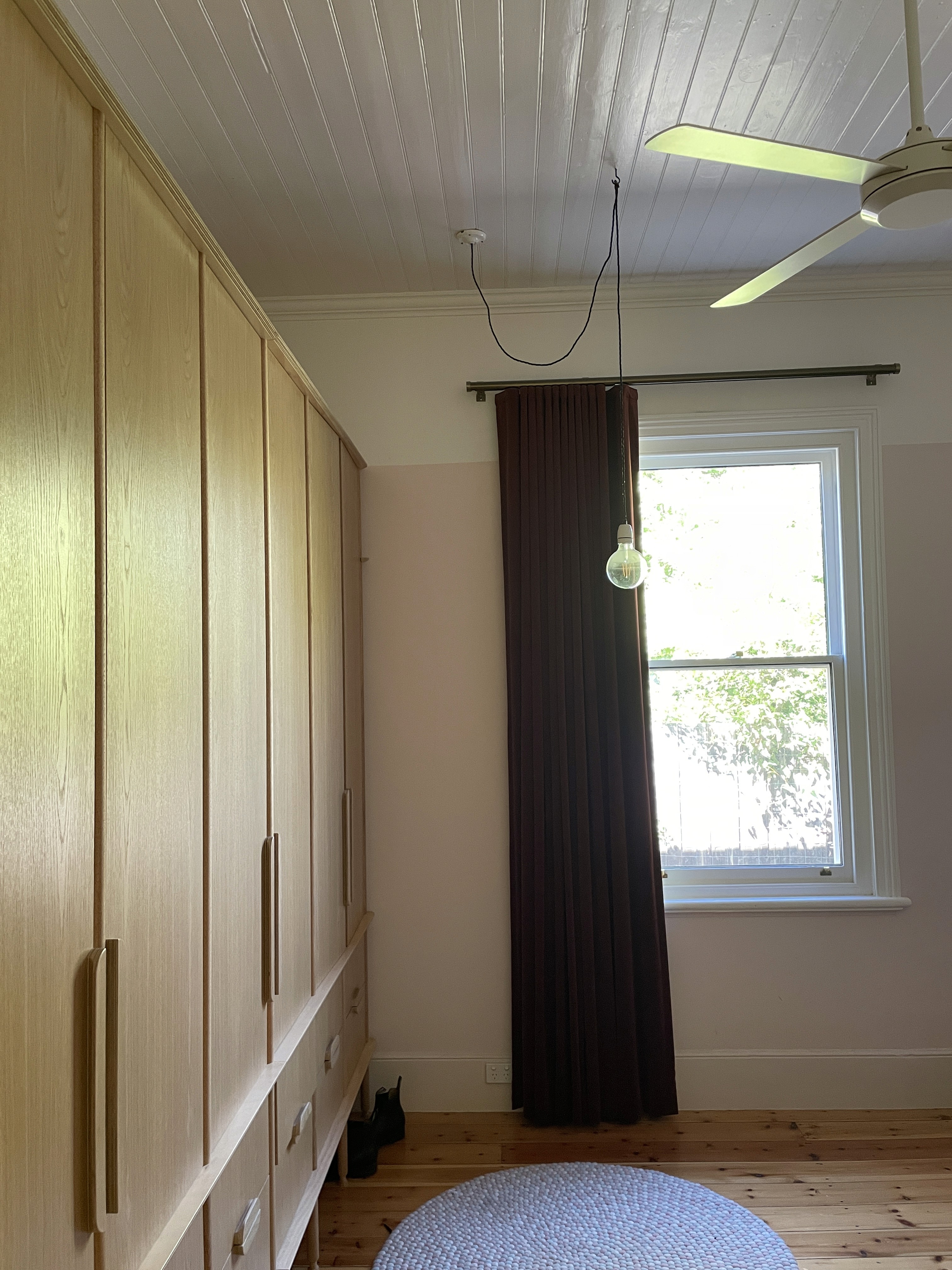
Added thermally backed curtains to windows (particularly west facing for cooling)
Draught sealed all external windows and doors
Insulated the ceiling and underfloor
There are a few more things that we could do:
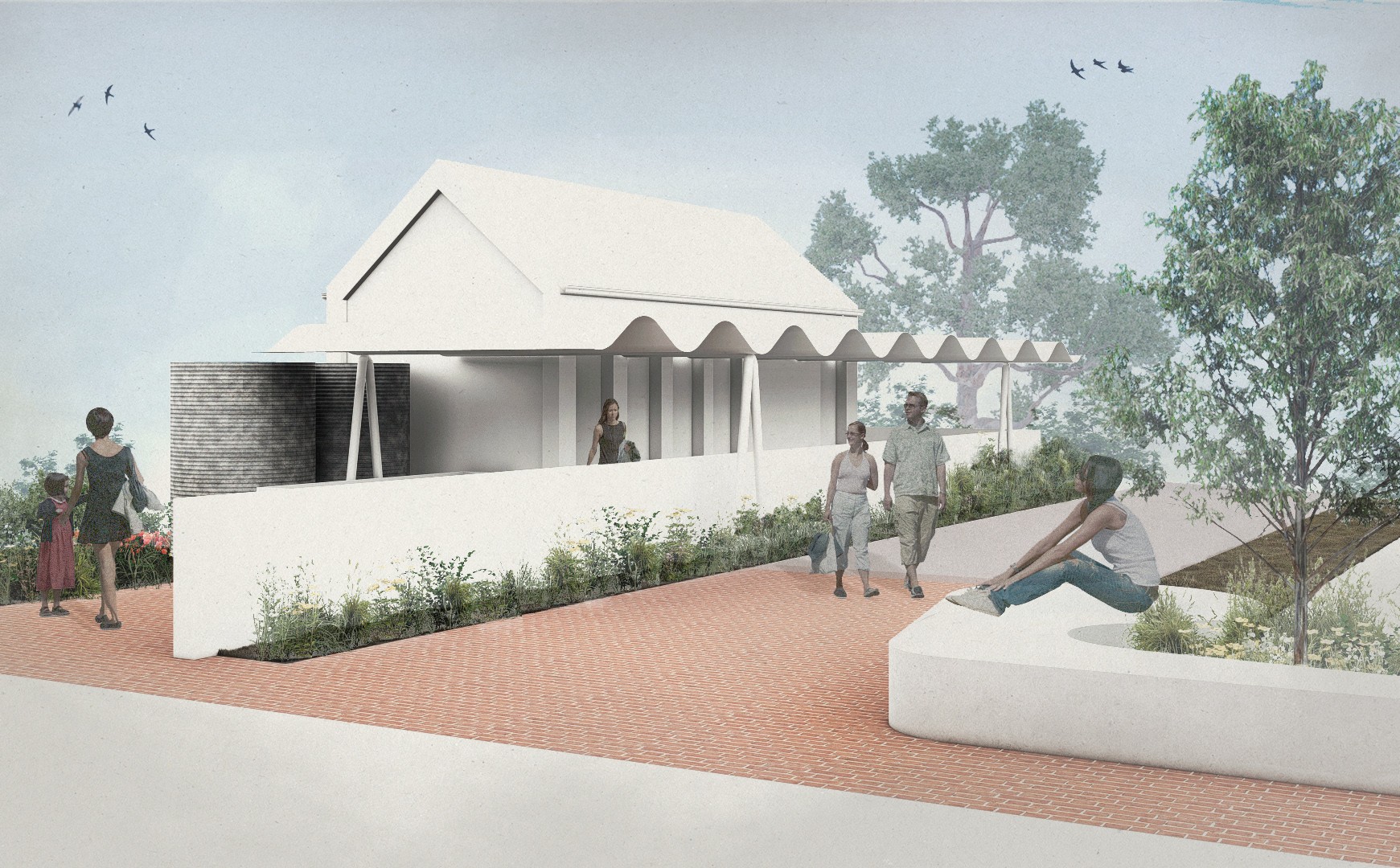
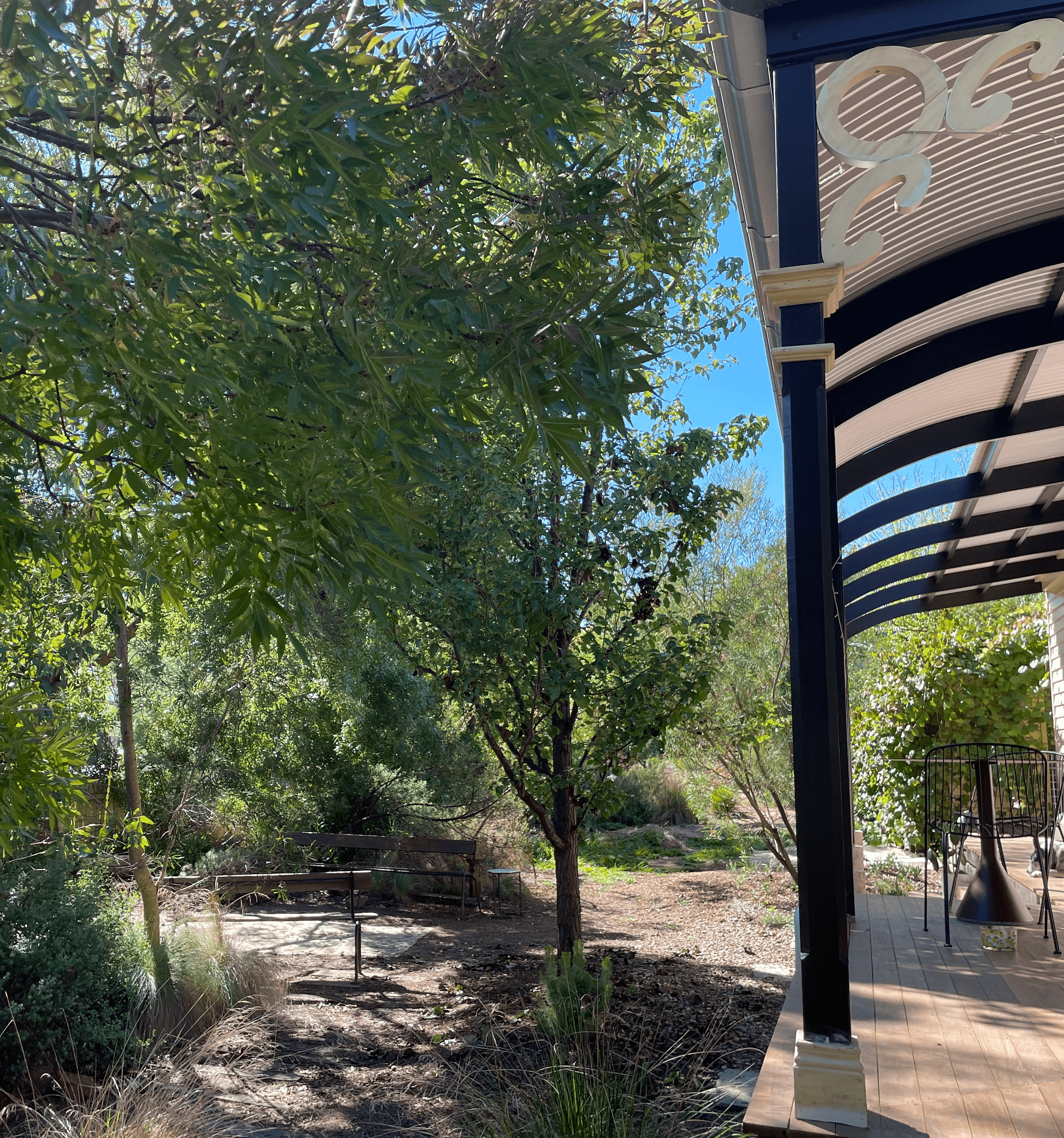
Added a veranda to shade the northern windows and wall in summer
Added ceiling fans to every room
Added thermally backed curtains to west facing windows
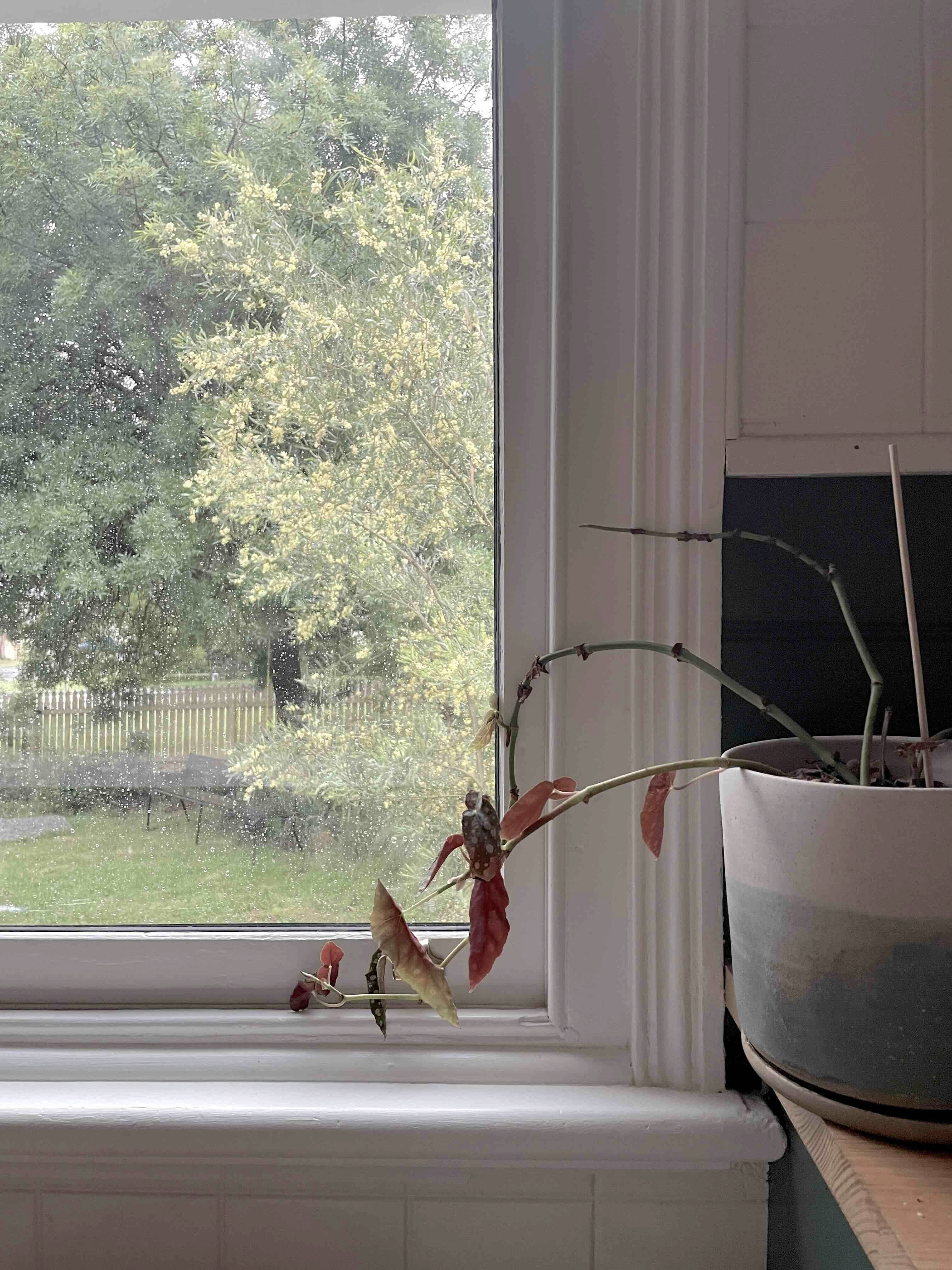
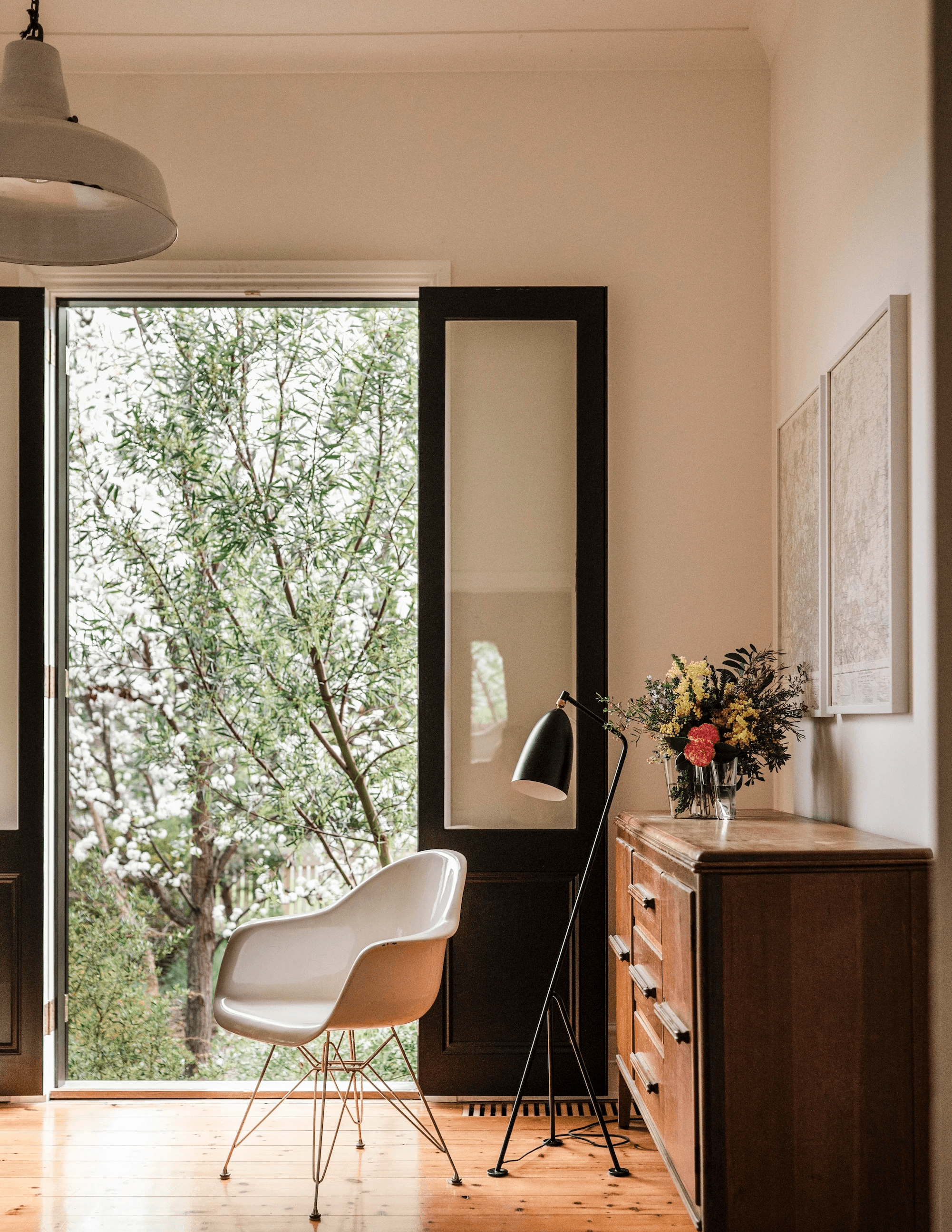
Planted a garden. The garden is designed to catch and retain water, and the soil has been nurtured to hold moisture. Trees are positioned to shade northern windows. In a few years the garden has gone from dusty and dry to lush, cooling the air around the house. It is like air-conditioning the outdoors.
Tips:
Verandahs should be carefully designed to allow winter sun in and summer sun out. When well designed verandahs become an extension of your living space and connect you to the landscape around your home.
If you are making any changes to your home, take the opportunity to improve your building shell and incorporate passive systems so you can feel comfortable in your house on hot days.
Read more